How Advanced Eye Screenings Can Prevent Permanent Vision Loss
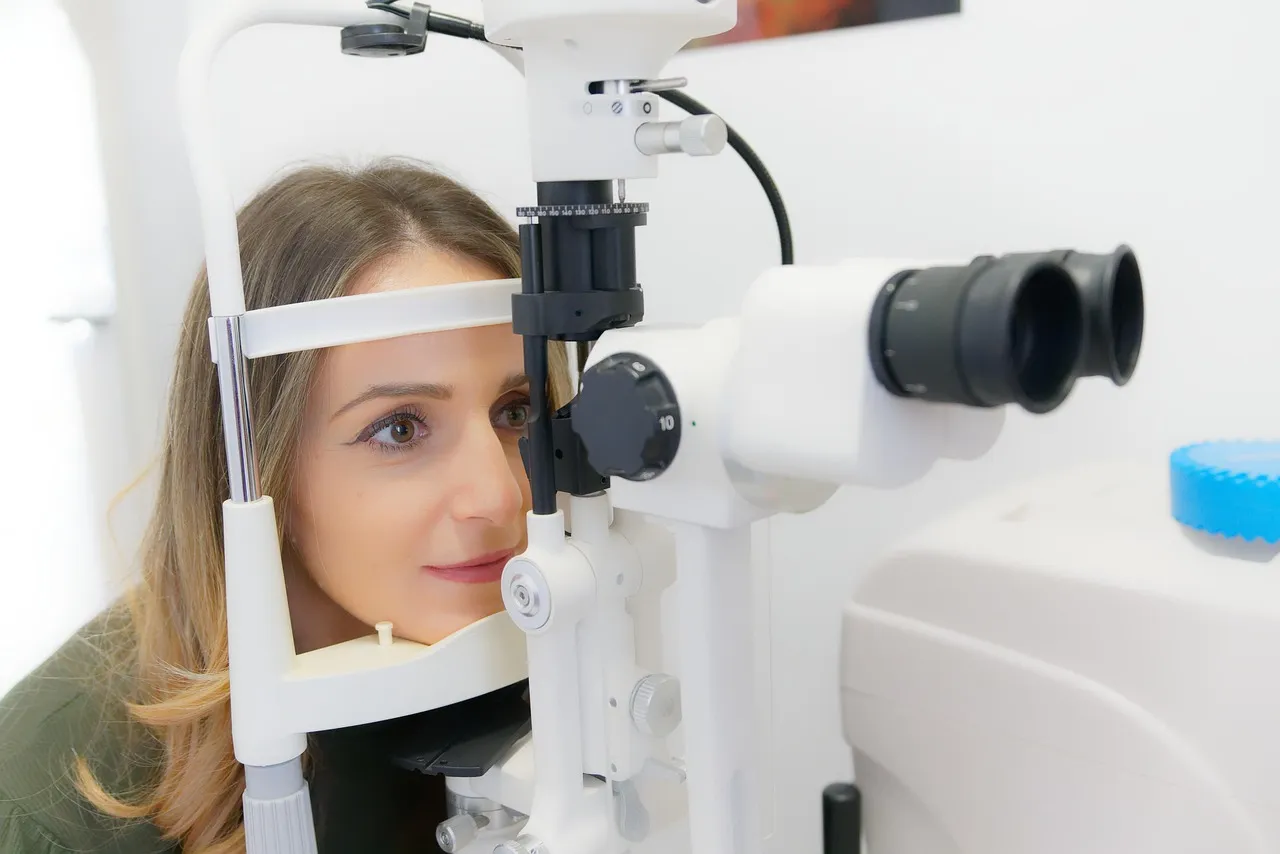
Our eyes are among the most vital organs, allowing us to experience the world in full color and detail. However, vision problems often develop silently, without obvious symptoms, until significant damage has occurred. Advanced eye screenings are crucial in detecting early signs of eye conditions, enabling timely intervention and preventing permanent vision loss.
In this comprehensive guide, we’ll explore how modern eye screenings work, the eye conditions they detect, their benefits, and why everyone should prioritize regular eye examinations.
1. Why Eye Screenings Are Crucial
Many eye diseases develop gradually and may not show symptoms until irreversible damage occurs. Common conditions include:
Glaucoma: Often called the “silent thief of sight,” it damages the optic nerve without early symptoms.
Diabetic Retinopathy: High blood sugar levels damage blood vessels in the retina.
Macular Degeneration: Affects central vision, making it difficult to read, drive, or recognize faces.
Cataracts: Clouding of the lens reduces vision clarity over time.
Advanced screenings allow for early detection, enabling treatments that can slow or halt disease progression and protect vision.
2. Types of Advanced Eye Screenings
a) Optical Coherence Tomography (OCT) OCT uses light waves to capture high-resolution cross-sectional images of the retina. This helps detect early glaucoma, macular degeneration, and retinal swelling.
b) Fundus Photography This imaging technique captures detailed photographs of the retina, optic nerve, and blood vessels, helping identify diabetic retinopathy, hypertension-related damage, and other retinal conditions.
c) Visual Field Testing Also known as perimetry, this test measures peripheral vision. It is especially useful for detecting early glaucoma.
d) Corneal Topography This maps the curvature of the cornea and is essential for diagnosing conditions like keratoconus and planning corrective surgeries.
e) Retinal Imaging & Fluorescein Angiography These tests visualize blood flow and detect leakage or blockages in retinal vessels, crucial for managing diabetic and vascular eye diseases.
3. Benefits of Advanced Eye Screenings
Early Detection of Eye Diseases: Identifying conditions early can prevent progression and permanent vision loss.
Improved Treatment Outcomes: Timely intervention often results in better visual prognosis and fewer complications.
Personalized Eye Care: Advanced imaging helps ophthalmologists create tailored treatment plans.
Monitoring Chronic Conditions: Conditions like diabetes and hypertension can affect vision; screenings help track eye health over time.
Peace of Mind: Regular checkups reduce anxiety by ensuring that your vision is monitored professionally.
5. How Often Should Eye Screenings Be Done?
Children & Young Adults: Every 1–2 years
Adults 40–54: Every 2–3 years
Adults 55–64: Every 1–2 years
Adults 65+: Every year
People with risk factors such as diabetes, high blood pressure, or a family history of eye diseases may require more frequent screenings.
6. Technology Advancements in Eye Care
The evolution of eye care technology has made screenings faster, more accurate, and more comfortable:
Non-invasive Imaging: Many modern tests are painless and do not require dilation.
Digital Record Keeping: Helps track changes over time and allows for easy comparison between visits.
AI-Powered Diagnostics: Artificial intelligence aids in detecting subtle changes and predicting disease progression.
7. Preventive Measures Alongside Screenings
Maintain Healthy Blood Sugar & Blood Pressure
Eat a Nutrient-Rich Diet: Foods rich in lutein, zeaxanthin, and omega-3 fatty acids support eye health.
Wear Sunglasses: Protects against UV damage.
Limit Screen Time: Reduce eye strain from prolonged digital device use.
Avoid Smoking: Smoking increases the risk of macular degeneration and cataracts.
8. Cost vs. Value of Advanced Eye Screenings
Treating advanced eye disease or vision loss is significantly more expensive than preventive screenings. Screenings can detect silent conditions that, if left untreated, may lead to permanent blindness. Investing in eye health ensures long-term quality of life and independence.
9. Real-Life Impact of Early Detection
Glaucoma: Early intervention can reduce the risk of severe vision loss by up to 90%.
Diabetic Retinopathy: Laser treatment and early management prevent blindness in most patients.
Macular Degeneration: Early monitoring and treatments can slow disease progression and preserve central vision.
10. FAQs
Q1: Are advanced eye screenings painful?
A1: Most modern screenings are non-invasive and painless. Some tests may require eye dilation, causing temporary light sensitivity.
Q2: Can vision loss be reversed if detected early?
A2: Some conditions, like cataracts, can be treated with surgery, while others like glaucoma can be managed to prevent further damage. Early detection is crucial.
Q3: How long do advanced eye screenings take?
A3: Most tests take 15–45 minutes depending on the complexity and number of screenings performed.
Q4: Do I need a referral for advanced screenings?
A4: Not always. Many eye care centers offer direct appointments for comprehensive screenings.
Q5: How often should I get advanced eye screenings?
A5: Adults over 40 should consider screenings every 1–2 years, while high-risk individuals may need annual checkups.
Conclusion
Advanced eye screenings are a vital tool in the fight against permanent vision loss. By detecting diseases early, providing precise diagnostics, and guiding timely interventions, these screenings protect one of our most precious senses—our vision. In a world where eye health is increasingly threatened by lifestyle, age, and medical conditions, prioritizing regular advanced screenings ensures that your eyes remain healthy and your vision sharp for years to come.
Remember: Don’t wait for symptoms to appear. Regular advanced eye screenings can make the difference between lifelong vision and preventable blindness.