Introduction: You Are What You Eat — Including Your Eyes
Your eyes are among the most metabolically active organs in your body, requiring a constant supply of specific vitamins, minerals, and antioxidants to function optimally and resist age-related degeneration. Research consistently shows that a nutrient-rich diet significantly reduces the risk of developing serious eye conditions including cataract, glaucoma, age-related macular degeneration (AMD), and diabetic retinopathy.
In Punjab, where diets have historically been rich in dairy, wheat, and seasonal vegetables but increasingly include processed foods and refined carbohydrates, many patients unknowingly deprive their eyes of the specific nutrients needed for long-term visual health. At Brar Eye Hospital Bathinda, our ophthalmologists regularly counsel patients on how dietary choices complement medical eye care to preserve vision for life.
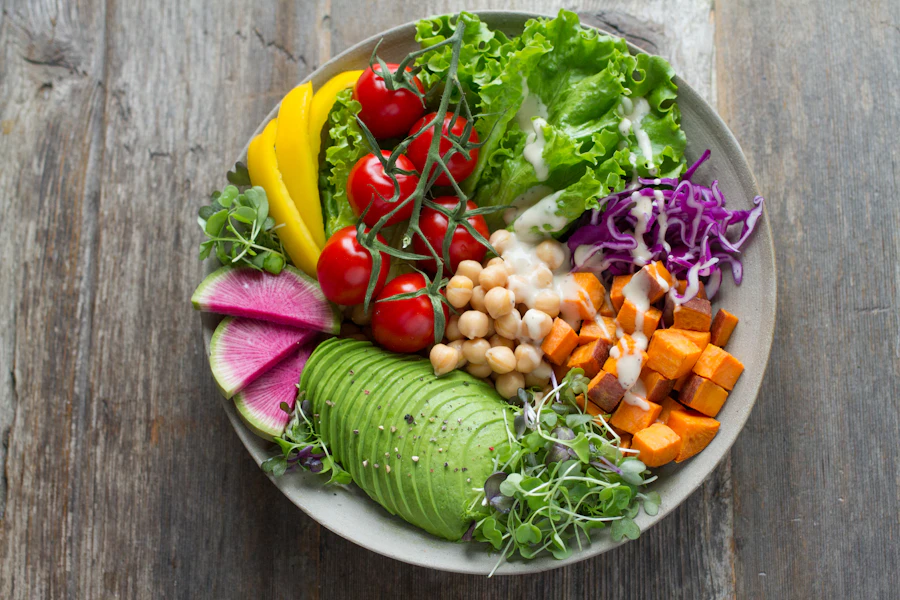
This comprehensive guide covers the science-backed best foods, vitamins, and nutrients for eye health — and how to incorporate them easily into a Punjab household's daily diet.
40%
Risk Reduction with Good Nutrition
2x
Less Cataract Risk with High Lutein
25%
AMD Risk Reduction with AREDS Diet
The 6 Most Critical Nutrients for Eye Health
1. Lutein and Zeaxanthin – The Macular Guardians
Lutein and zeaxanthin are carotenoid pigments that concentrate in the macula — the central, most visually critical part of the retina. They act as a natural internal "sunscreen" for the eye, filtering harmful blue light and UV radiation, neutralising free radicals, and protecting the photoreceptors responsible for sharp central vision.
What they protect against: Age-related macular degeneration (AMD) — the leading cause of blindness in people over 60 in developed countries. Studies show people with the highest lutein intake have a 43% lower risk of AMD. They also significantly reduce cataract risk.
Best food sources (all available in Punjab markets):
- Palak (spinach): The richest source of lutein — 12–15 mg per 100g cooked. Eat palak paneer, palak dal, or saag at least 3 times weekly
- Methi (fenugreek leaves): Excellent lutein source and uniquely beneficial for diabetic patients due to its blood sugar-lowering properties
- Kale: Becoming more available in Punjab; contains 18 mg lutein per 100g
- Eggs: Especially the yolk — contains lutein in a bioavailable (fat-soluble) form easily absorbed by the body. 1–2 eggs daily is safe for most adults
- Corn (maize/makki): A Punjab staple — makki di roti is not just traditional but nutritionally valuable for eye health
- Green peas, broccoli, and zucchini: Good secondary sources
- Marigold petals: Used medicinally, extremely high lutein content
2. Vitamin A and Beta-Carotene – The Vision Vitamin
Vitamin A is essential for producing rhodopsin — the light-sensitive protein in rod cells that enables night vision. Deficiency causes night blindness (nyctalopia) and, in severe cases, can lead to corneal ulceration and permanent blindness (xerophthalmia). India still bears one of the world's highest burdens of vitamin A deficiency-related blindness in children.
Beta-carotene is the plant-based precursor to vitamin A — the body converts it to vitamin A as needed, making it a safe way to boost intake without risk of toxicity.
Best food sources:
- Carrots (gajar): Classic — one medium carrot provides the full daily beta-carotene requirement. Gajar ka halwa = delicious eye food!
- Sweet potato (shakarkandi): Per calorie, the densest source of beta-carotene. One medium sweet potato = 100%+ daily requirement
- Pumpkin (kaddu): Rich in both beta-carotene and lutein
- Mango (aam): A seasonal Punjab delight — half a mango provides significant vitamin A
- Papaya (papita): Excellent year-round source of beta-carotene plus vitamin C
- Liver (kaleji): The richest animal source of pre-formed vitamin A — once weekly is adequate
- Full-fat dairy and eggs: Good animal sources of vitamin A
💡 Absorption Tip: Beta-carotene and other fat-soluble eye nutrients (vitamins A, E, lutein, zeaxanthin) are absorbed much better when consumed with a small amount of healthy fat. Add a teaspoon of desi ghee, til oil, or sarson ka tel to your sabzi for dramatically better eye nutrient absorption.
3. Vitamin C – The Lens Protector
Vitamin C is concentrated at extraordinarily high levels in the aqueous humour (the fluid inside the eye) — 20–70 times higher than blood plasma levels. This extreme concentration indicates how vital it is for ocular health. Vitamin C neutralises free radicals in the lens, protecting lens proteins from oxidative damage and significantly delaying cataract formation.
Major clinical studies (including the AREDS trial) confirm that high vitamin C intake reduces cataract progression risk by up to 33% and may reduce AMD progression when combined with other antioxidants.
Best food sources for Punjab:
- Amla (Indian gooseberry): The supreme vitamin C source — 600–900 mg per 100g (10–15× more than oranges). Fresh, dried, or as amla murabba
- Guava (amrood): 228 mg vitamin C per 100g — one guava provides 3× the daily requirement. Widely available and affordable in Punjab
- Capsicum/bell peppers (shimla mirch): Red peppers have 200 mg per 100g. Add to sabzis raw or lightly cooked
- Citrus fruits: Mosambi, santra, lemon — classic vitamin C sources. Fresh nimbu pani daily is genuinely eye-healthy
- Tomatoes: Also contains lycopene — another powerful antioxidant
- Kiwi: Now widely available — 93 mg per 100g with excellent bioavailability
Note: Vitamin C is destroyed by heat, light, and oxygen. Raw or minimally cooked fruits and vegetables retain the most. Fresh fruit juices consumed immediately are better than stored juices.
4. Vitamin E – The Free Radical Fighter
Vitamin E is a fat-soluble antioxidant that protects cell membranes throughout the body, including the delicate membranes of retinal photoreceptor cells and the crystalline lens. Working synergistically with vitamin C, it forms a powerful antioxidant defence system against oxidative damage from UV radiation and metabolic byproducts.
Best food sources:
- Almonds (badam): The best easily accessible source — 25 mg per 100g. 10–12 soaked almonds daily provides significant vitamin E
- Sunflower seeds (surajmukhi ke beej): 35 mg per 100g — highest plant source. Add to salads or chutneys
- Wheat germ and wheat germ oil: Extremely rich — whole wheat atta (especially stone-ground) retains more than refined flour
- Sarson ka tel (mustard oil): Punjab's traditional cooking oil has good vitamin E content along with heart-healthy fatty acids
- Peanuts (moongphali): Affordable, widely available, and a good vitamin E source
- Avocado: Increasingly available; excellent vitamin E with good fat for absorption
5. Omega-3 Fatty Acids – The Tear Film and Retina Supporter
Omega-3 fatty acids — particularly DHA (docosahexaenoic acid) and EPA — are structural components of retinal photoreceptor cell membranes. The retina has one of the highest concentrations of DHA of any tissue in the body, underscoring its importance. Omega-3s also support healthy tear film production, making them critical for preventing and managing dry eye disease.
Research links higher omega-3 intake to reduced risk of AMD, improved dry eye symptoms, and better overall retinal health. DHA is also essential for fetal and infant retinal development — pregnant and breastfeeding women should pay particular attention.
Best food sources for Punjab:
- Flaxseeds (alsi): The richest plant source of omega-3s (ALA form). Grind fresh and add to roti dough, dahi, or lassi
- Walnuts (akhrot): Excellent omega-3 source — 5–7 walnuts daily is ideal. Also rich in vitamin E
- Chia seeds: Available in health stores; add to water or smoothies
- Fish (mackerel, sardines, salmon): The richest source of DHA and EPA — the most bioavailable forms for retinal health. Consume 2× weekly if non-vegetarian
- Mustard oil: Contains some ALA omega-3s
- Hemp seeds: Good ratio of omega-3 to omega-6
6. Zinc – The Vitamin A Transporter
Zinc is present in high concentrations in the retina and choroid (vascular layer beneath the retina). It is essential for activating vitamin A to produce protective eye pigments and plays a key role in night vision, wound healing in the eye, and the antioxidant enzyme superoxide dismutase. The AREDS study found zinc supplementation slowed AMD progression by 25%.
Best food sources:
- Pumpkin seeds (kaddu ke beej): Excellent zinc source — eat raw or roasted as a snack
- Legumes: Rajma (kidney beans), chana, moong, and masoor dal — all good zinc sources and Punjab dietary staples
- Dairy products: Doodh, dahi, paneer — good bioavailable zinc sources
- Meat and poultry: Chicken and mutton are among the best absorbed zinc sources
- Whole grains: Whole wheat atta retains zinc; refining removes most zinc
- Nuts and seeds in general
The Eye-Healthy Punjab Daily Diet – Practical Meal Plan
Morning
- 10–12 soaked almonds + 4–5 walnuts (vitamin E, omega-3)
- Fresh amla juice or 1 glass nimbu pani (vitamin C)
- 2 eggs with sabzi or makki di roti with white butter (lutein, vitamin A)
Afternoon
- Palak/methi dal or sabzi (lutein, vitamin A, folate)
- Whole wheat roti with sarson ka tel
- One orange or guava as seasonal fruit (vitamin C)
Evening Snack
- A handful of pumpkin seeds or moongphali (zinc, vitamin E)
- 1 cup dahi with ground alsi seeds (omega-3, zinc)
Dinner
- Gajar/kaddu sabzi or tomato-based curry (beta-carotene, lycopene)
- Rajma or chana dal (zinc, protein)
- 1–2 tsp desi ghee on roti for fat-soluble nutrient absorption
Foods and Habits That Harm Your Eyes
Just as important as knowing what to eat is knowing what to avoid or limit:
- Refined sugar and high-glycaemic foods: Spike blood sugar, accelerate cataract formation, and worsen diabetic retinopathy — major concerns in Punjab
- Excessive alcohol: Depletes vitamin A and antioxidants; associated with AMD and optic nerve damage
- Smoking: Doubles the risk of cataract and quadruples AMD risk — the single worst dietary/lifestyle choice for eye health
- Trans fats: Hydrogenated oils found in processed snacks, biscuits, and fried foods promote inflammation and may worsen AMD
- Excessive sodium: Raises blood pressure, which can damage blood vessels in the retina and optic nerve
- Ultra-processed foods: Low in protective nutrients, high in pro-inflammatory compounds
Frequently Asked Questions
Can eating carrots improve my eyesight or reduce my glasses number?
Carrots are excellent for eye health due to their high beta-carotene content, but they cannot improve refractive errors (the glasses power caused by the shape of your eye) or reduce myopia/hyperopia numbers. They prevent vitamin A deficiency (which causes night blindness), support long-term retinal health, and reduce cataract risk. For glasses correction, LASIK, SMILE Pro, or prescription lenses are the appropriate solutions.
Should I take eye vitamin supplements?
Supplements are most beneficial for people who already have early-to-intermediate AMD (the AREDS2 formulation of vitamins C, E, zinc, copper, lutein, and zeaxanthin is proven to slow progression) or for those who cannot meet nutritional needs through diet alone. For generally healthy eyes, a nutrient-rich whole-food diet is preferable to supplements. Always discuss supplementation with your ophthalmologist before starting, as some supplements can interact with medications or be harmful in excess.
Are vegetarian diets adequate for eye health?
Yes — a well-planned vegetarian diet can provide excellent eye nutrition. The key is including diverse sources: dark green leafy vegetables (lutein), coloured fruits and vegetables (beta-carotene, vitamin C), dairy and eggs (if lacto-vegetarian — vitamin A, zinc, omega-3), nuts and seeds (vitamin E, omega-3, zinc), and legumes (zinc, protein). Pure vegans should consider DHA algae-based omega-3 supplements, as plant-based ALA omega-3 converts inefficiently to the DHA form needed by the retina.
How long does it take for dietary changes to benefit my eyes?
Eye nutrition works preventively and long-term. You may notice improved tear film stability (reduced dry eye symptoms) within 4–8 weeks of increasing omega-3 intake. Macular pigment density increases gradually over months of high lutein/zeaxanthin intake. The protection against cataract and AMD accumulates over years of consistent healthy eating. Think of eye nutrition as a lifelong investment — the earlier you start, the more cumulative protection you build.

Brar Eye Hospital Medical Team
Expert eye care in Bathinda & Kotkapura, Punjab. NABH accredited ophthalmology centre.